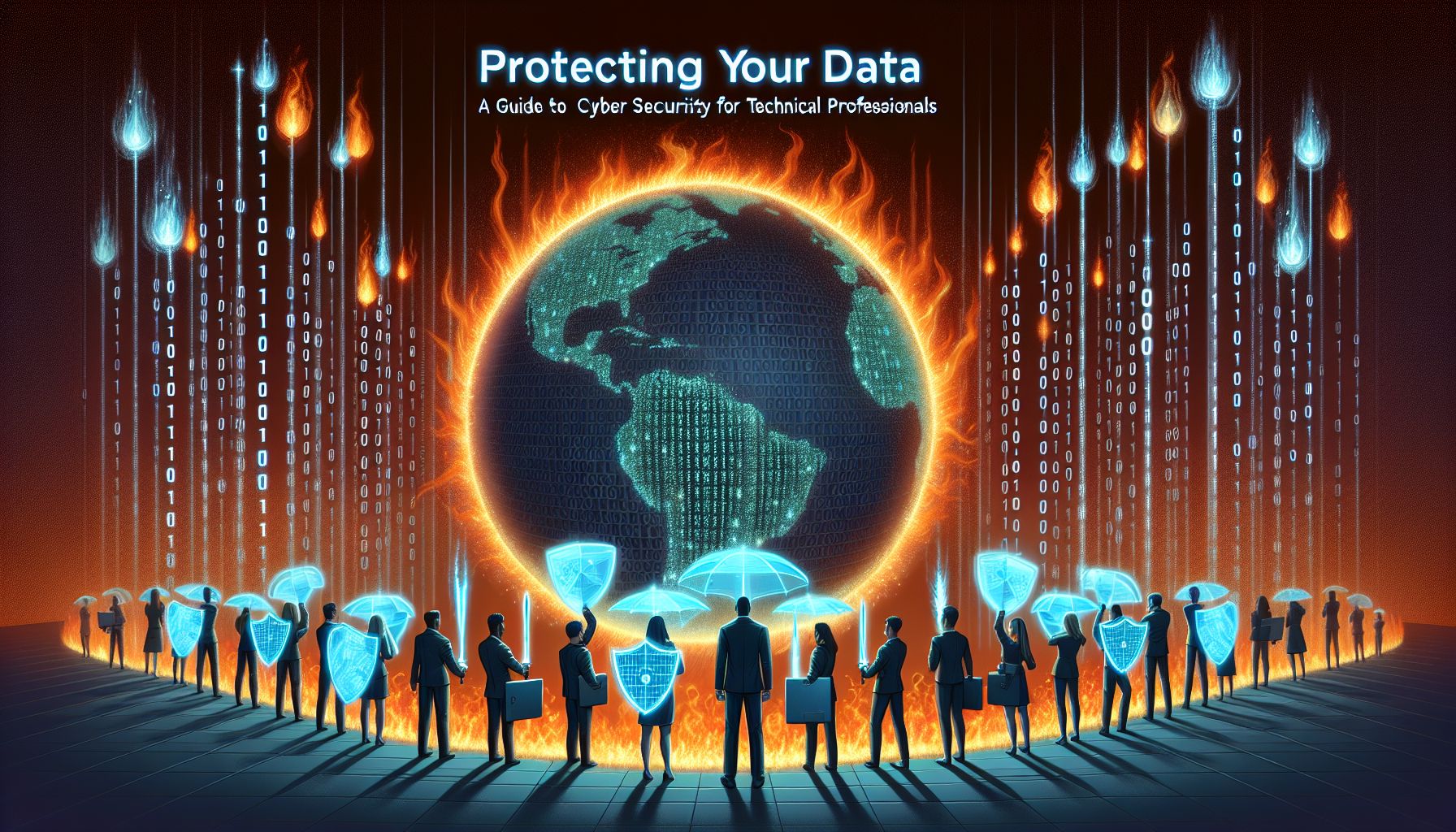


In an era where technology is no longer a luxury but a necessity, cyber security has emerged as an area of paramount significance. From personal identities to corporate and national security, everything is at stake in the face of escalating cyber threats. This blog post aims to delve deeper into the realm of cyber security, exploring its various facets and its growing relevance.
Cyber Security Defined
Before we get too far into the weeds, let’s first define what we’re talking about. Cyber security, in its most basic sense, refers to the protection of internet-connected systems, including hardware, software, and data, from cyber threats.
The Importance of Cyber Security
The increasing reliance on technology and the internet has made cyber security a top priority in our day-to-day lives. From online banking to social media, we are constantly exposing our personal information on the web, making us potential targets for cyber criminals. Cyber security ensures the protection and integrity of our digital data, making it an integral part of our internet-dependent lives.
Types of Cyber Threats
Understanding the different types of cyber threats is the first step towards building a robust cyber security framework. Some common types of cyber threats include:
- Malware: Malicious software like viruses, worms, Trojans, ransomware, and spyware.
- Phishing: An attempt to acquire sensitive information by masquerading as a trustworthy entity.
- Man-in-the-middle (MitM) attacks: An attacker intercepts and possibly alters the communication between two parties who believe they are directly communicating with each other.
- Denial-of-service attack: An attempt to make a machine or network resource unavailable to its intended users.
Cyber Security Measures
While the presence of cyber threats may seem daunting, there are several measures you can take to protect yourself and secure your data. These include:
- Regular System Updates: Ensure that all your systems and software are regularly updated. Outdated systems are more susceptible to attacks.
- Secure Network: Use a secure network, preferably with encryption, to protect your online activities.
- Strong Passwords: Use complex and unique passwords and consider using a password manager to keep track of all your passwords.
- Two-factor Authentication: Implement two-factor authentication wherever possible to add an extra layer of security.
- Regular Backups: Regularly backup your data to protect against data loss in the event of a cyber attack.
Cyber Security and the Future
Given the evolving nature of cyber threats, cyber security is not a one-time solution but a continuous process. With advancements in areas like artificial intelligence and machine learning, future cyber security measures will likely incorporate these technologies to predict and mitigate potential cyber attacks.
Wrapping Up
In conclusion, cyber security is a crucial aspect in our increasingly digital world. As we continue to integrate technology into every aspect of our lives, we must be proactive in understanding and implementing cyber security measures to protect ourselves against potential threats. From understanding the types of threats that exist, to implementing practical measures, we can all play a part in enhancing our cyber security. After all, in this digital age, cyber security is no longer just an IT concern but everyone’s responsibility.