

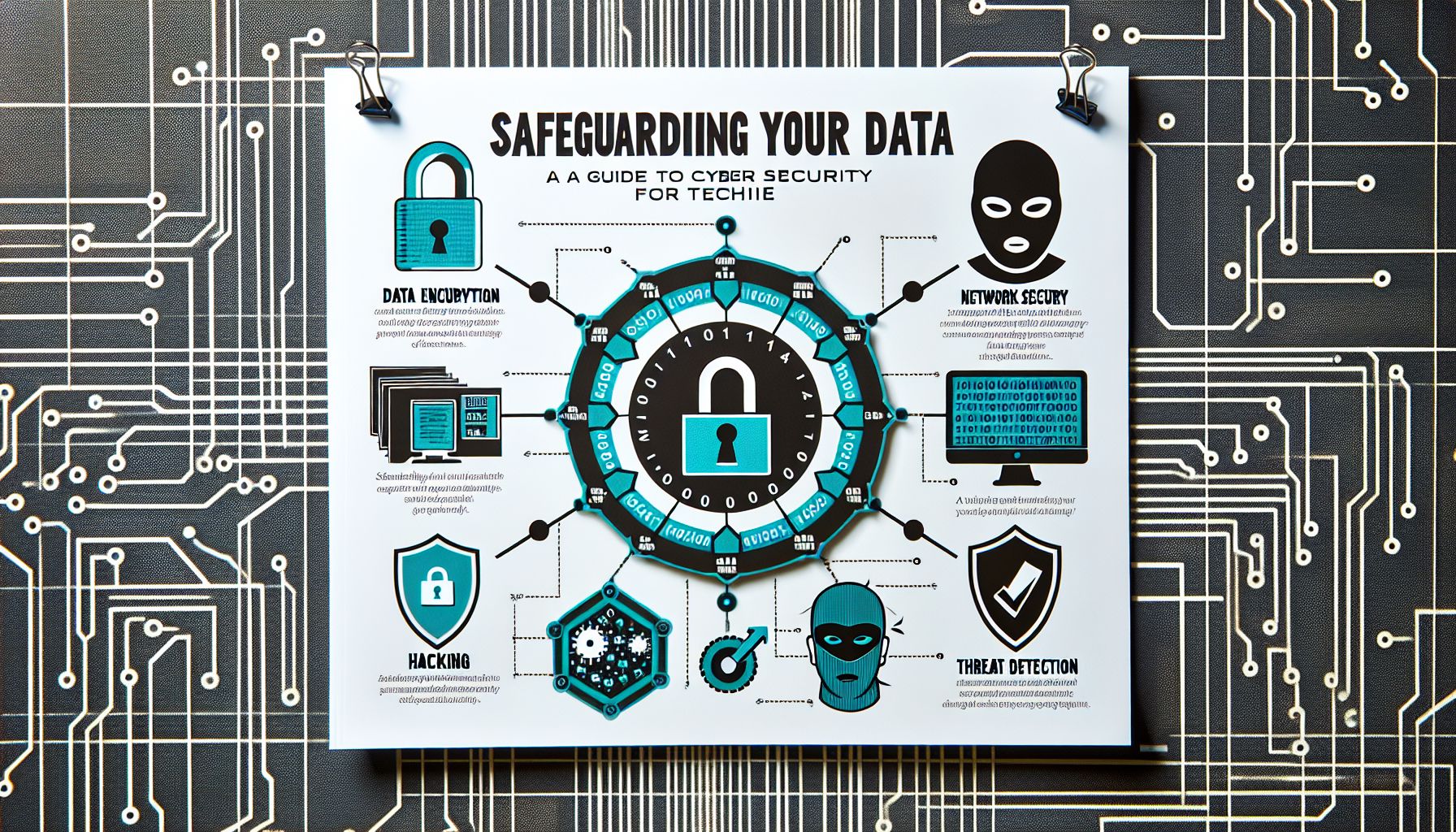
As a tech-savvy individual, you probably understand the importance of keeping your data safe and secure. In today’s digital age, where cyber threats are constantly evolving, it’s crucial to stay informed and proactive in protecting your sensitive information. Whether you’re a seasoned IT professional or a hobbyist coder, here are some key measures you can take to enhance your cyber security posture.
Understanding the Threat Landscape
First and foremost, it’s essential to have a clear understanding of the potential threats you may face. Cyber criminals are always on the lookout for vulnerabilities to exploit, whether through malware, phishing attacks, or social engineering tactics. By staying informed about the latest threats and trends in the cyber security landscape, you can better prepare yourself to defend against potential attacks.
Implementing Strong Security Practices
One of the most effective ways to protect your data is by implementing strong security practices across your devices and networks. This includes using complex passwords, enabling two-factor authentication, keeping your software up to date, and regularly backing up your data. Additionally, consider encrypting sensitive information to prevent unauthorized access in case of a breach.
Securing Your Network
Securing your network is another critical aspect of cyber security. Make sure to use a secure Wi-Fi network with WPA2 encryption, disable remote access to your devices when not in use, and consider setting up a virtual private network (VPN) for added protection. Regularly monitor your network traffic for any suspicious activity and consider implementing intrusion detection and prevention systems for an extra layer of defense.
Educating Yourself and Your Team
Cyber security is a team effort, and it’s important to educate yourself and your colleagues on best practices for staying safe online. Provide training on how to recognize phishing emails, avoid clicking on suspicious links, and report any security incidents promptly. By fostering a culture of security awareness, you can significantly reduce the risk of a successful cyber attack.
Investing in Cyber Security Tools
There is a wide range of cyber security tools available to help you safeguard your data effectively. Consider investing in antivirus software, firewalls, endpoint protection solutions, and security analytics tools to enhance your defenses. Additionally, consider partnering with a reputable cyber security provider for expert guidance and support in protecting your digital assets.
Responding to Security Incidents
Despite your best efforts, security incidents may still occur. In the event of a data breach or cyber attack, it’s crucial to have a response plan in place to minimize the impact and recover quickly. This includes isolating the affected systems, conducting a forensic analysis to determine the root cause, notifying the appropriate authorities, and implementing remediation measures to prevent future incidents.
Conclusion
In conclusion, cyber security is a constantly evolving field that requires vigilance and proactive measures to safeguard your data effectively. By understanding the threat landscape, implementing strong security practices, securing your network, educating yourself and your team, investing in cyber security tools, and having a response plan in place, you can significantly reduce the risk of falling victim to cyber attacks. Remember, the security of your data is in your hands, so take the necessary steps to protect it today.